




ADM DVS
ADM
DVS
A multidisciplinary designer with a decade of practice across identity systems, UI/UX, and print collateral for startups, agencies, and established brands. Working from discovery to delivery, I translate strategic intent into typography, layouts, and interactions that balance clarity with craft. My process values hands-on execution—bridging design tools (Photoshop, Illustrator, InDesign) with front-end technologies (CSS, HTML, APIs)—so the gap between concept and implementation stays minimal.
2016-2025
Portfolio


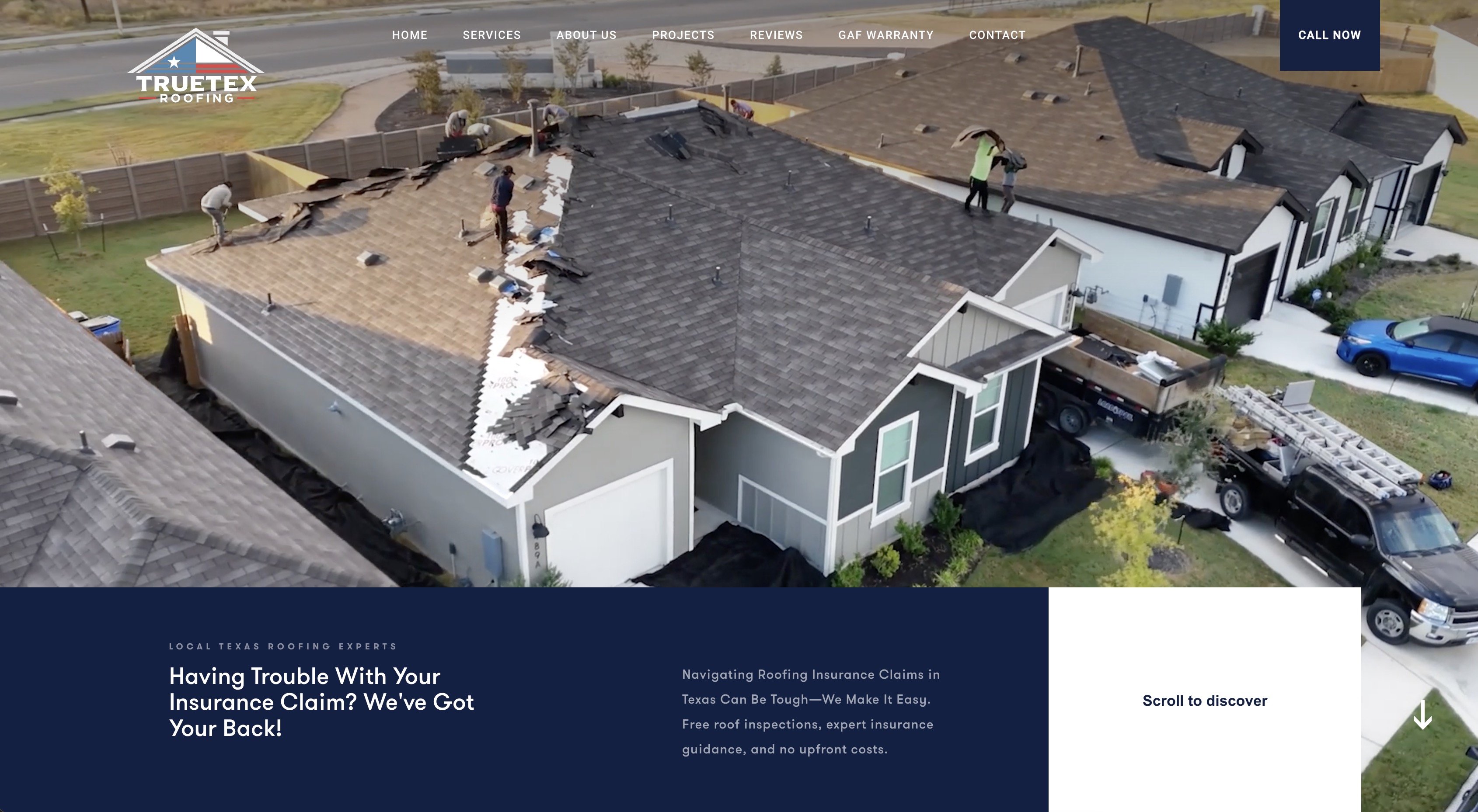
Currently working on
2025
TrueTex Roofing
/ p. 01
WEB DESIGN
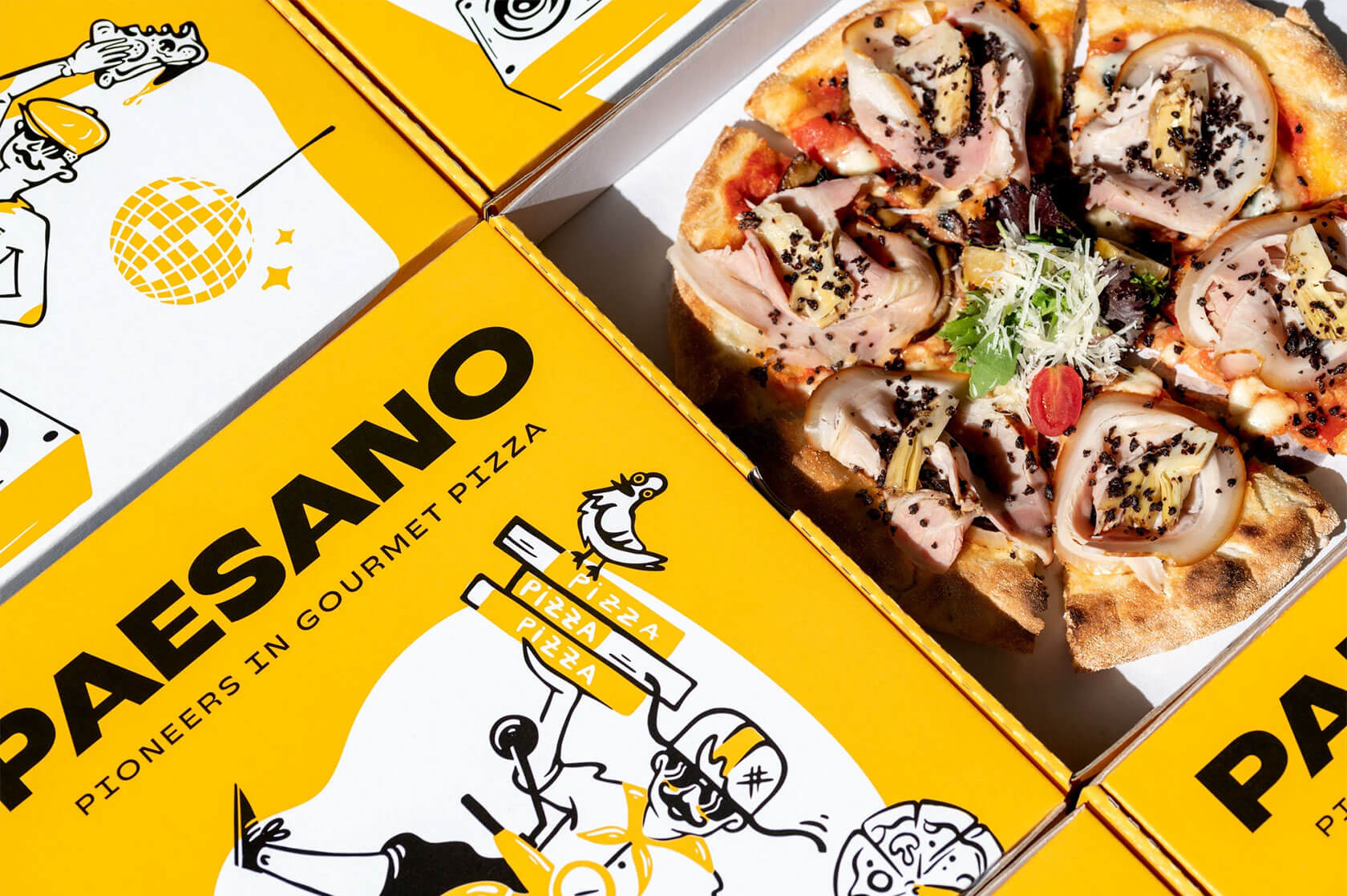
2025
Paesano Pizza
/ p. 02
BRANDING / PRINT
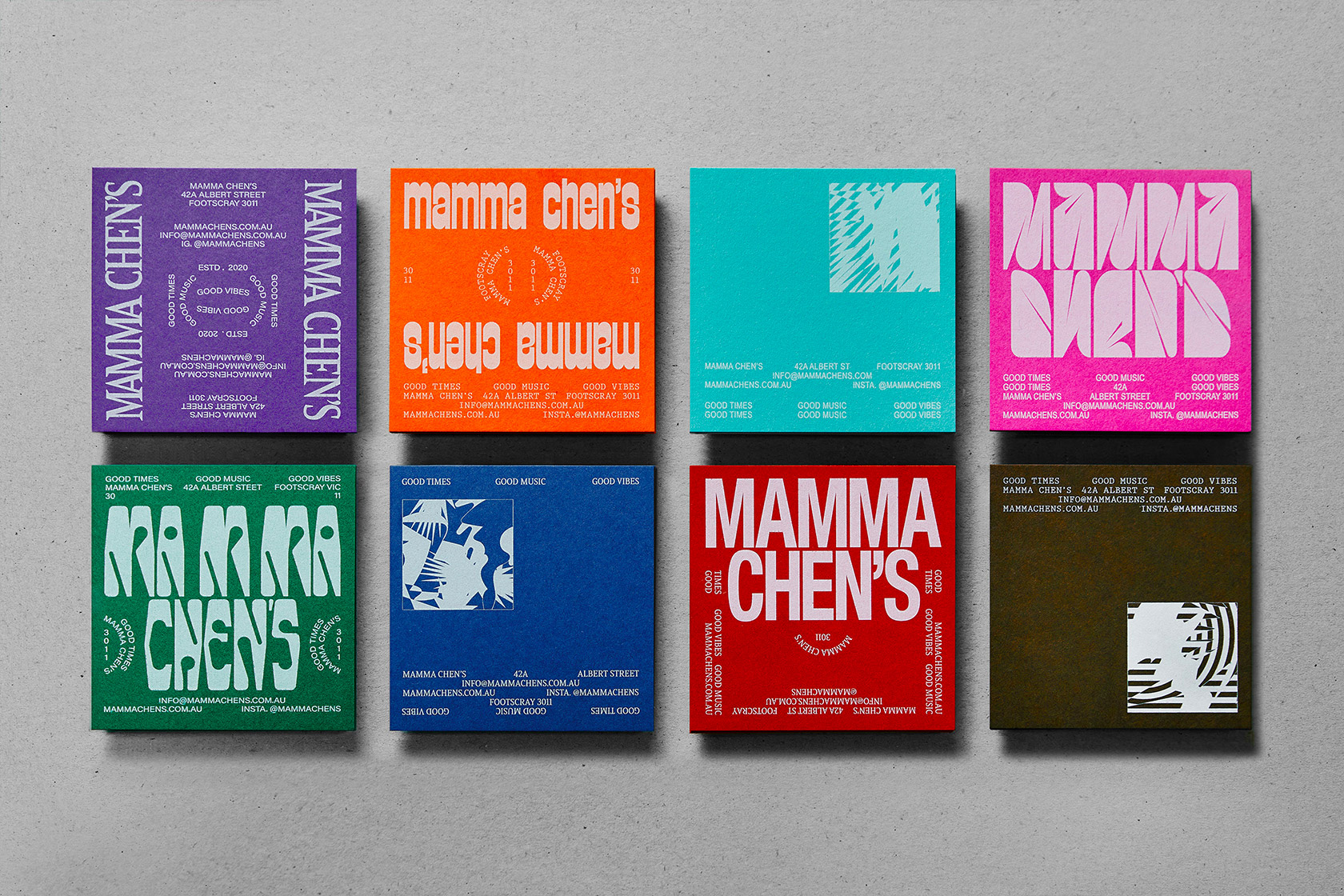
2025
Mama Chens
/ p. 03
BRANDING / PRINT
2024
Hal2 Interior Decor
/ p. 04
BRANDING / PRINT
2023
Aroma Coffee
/ p. 05
BRANDING / PRINT / PACKAGE
2021
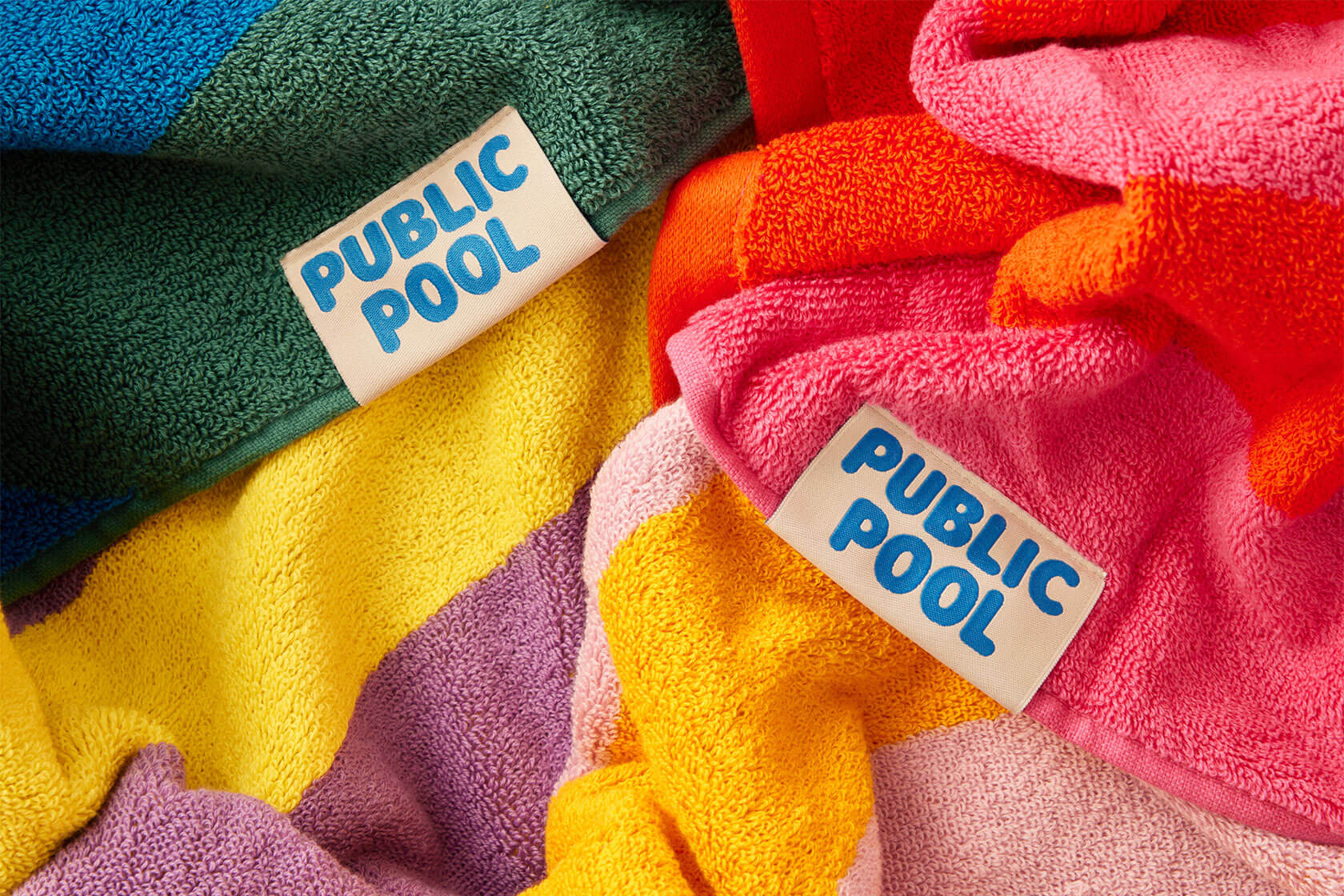
Public Pool
/ p. 06
BRANDING / APPAREL
2025
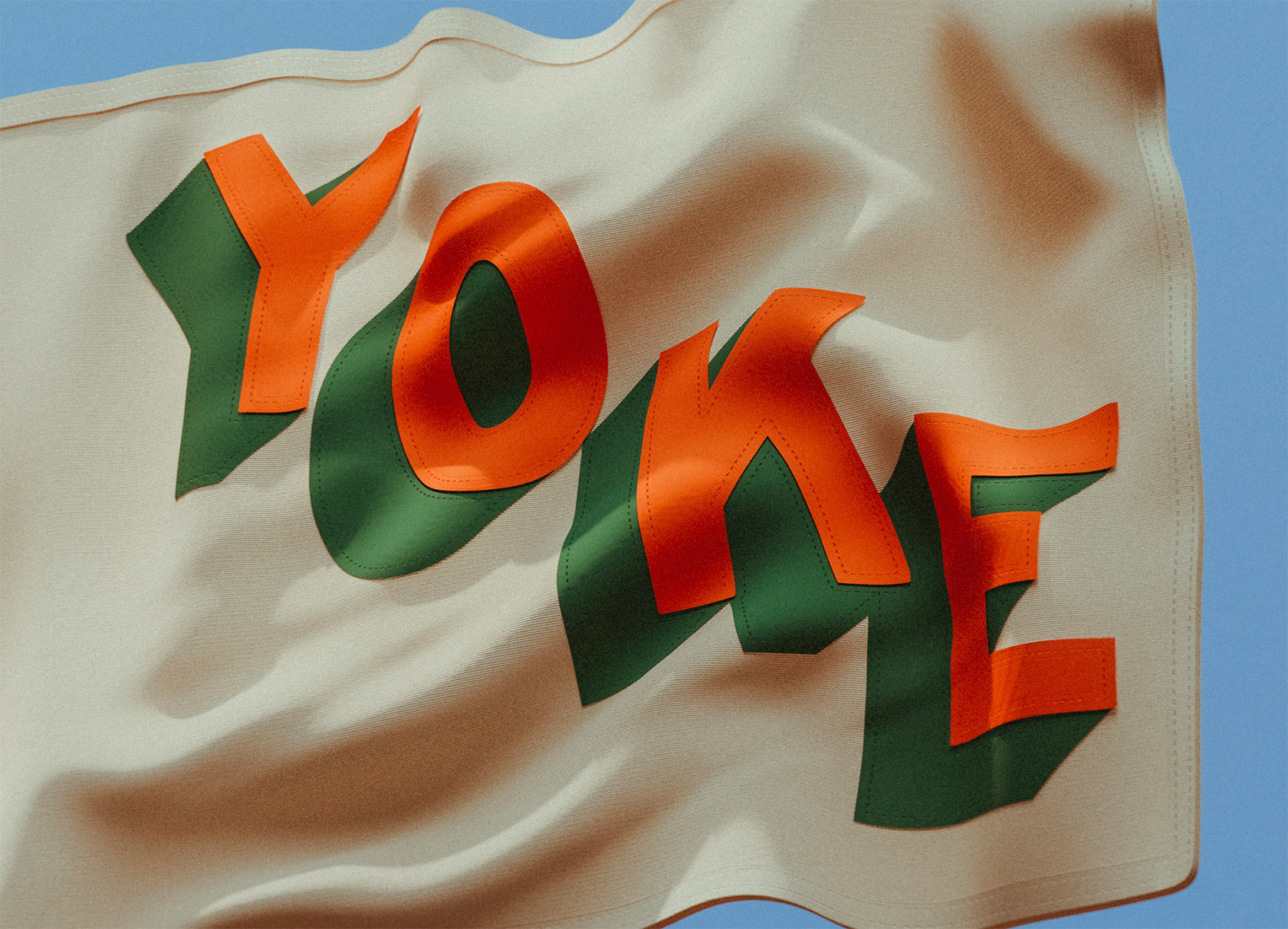
Yoke Apparel
/ p. 07
BRANDING / APPAREL / PACKAGING
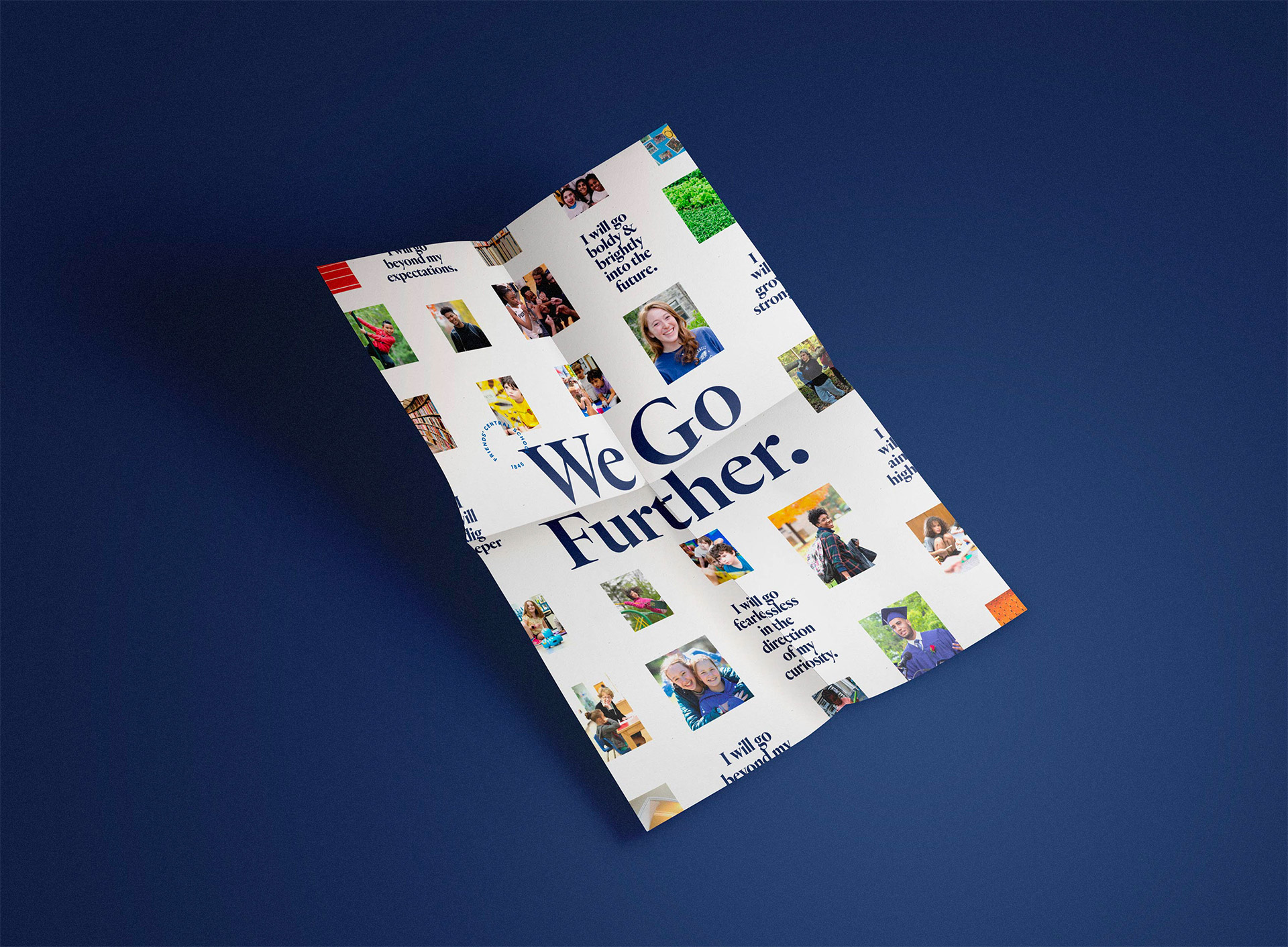
2024
Friends Central School
/ p. 08
BRANDING / PRINT
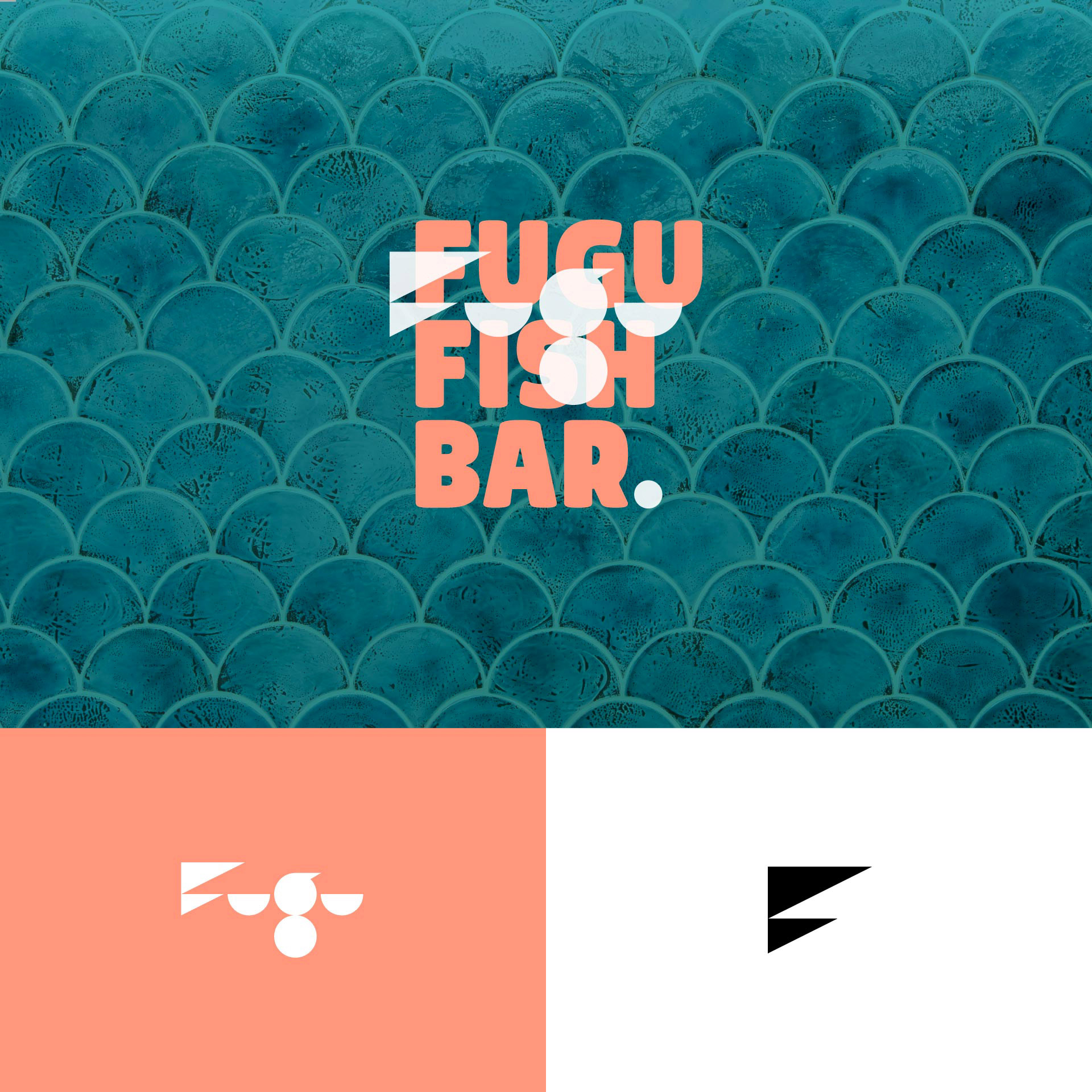
2025
Fugu Fish Bar
/ p. 09
BRANDING / PRINT
My design process
/ briefing /
/0.1
/1.0 research
The first research phase is essential to assign a precise rationale to all the choices the project will later require. It defines the "whys" of the project. It is often the most sacrificed phase when time and budget are tight, but a project without initial research is a project that has no basis, or has an unstable basis, and therefore, in some way, its fate is determined from the outset.
I therefore always try to allow due space for the research phase, which often takes up a considerable part of the design time. It is the most difficult phase to account for, and one almost feels guilty if the research is too long. However, well-done research will speed up the subsequent stages.
/2.0 EXPLORE
The main purpose of the exploration phase is to exhaust all the possibilities opened up by the project to the greatest possible degree. I produce a large number of sketches in this phase, with varying levels of fidelity and definition, without paying too much attention to quality, and rather working as quickly and instinctively as possible. Obviously, the more exhaustive the previous research phase was, the more coherent and clear the first sketches will be in the possibilities they suggest.
At this stage I consider it useful not to set myself any limits of technical feasibility, budget, time or resources. This is because I consider it my responsibility to inform the client of the possibilities opened up by his project and the possible additions that each possibility requires. I prefer to be answered "it can't be done" rather than "why didn't you think of that?".
/3.0 define
The definition phase is the phase of choices. In relation to the possibilities opened up by the exploration phase, this is the time to put on the table all the feasibility limitations and requirements, the goals to be achieved and the preferences expressed in the briefing phase.
Personally, I think it is very important to let ideas settle and specific time windows pass before deciding whether certain paths are worthy of further exploration or are potential dead ends to be avoided.
/4.0 test
Tests and final validations concern usability in the case of digital products, or the appropriateness of the communicative message in the case of graphics and branding products, for which I verify that the communicative clues are interpreted correctly. This phase is preceded by a careful analysis of the key aspects to be tested, the choice of user profiles with which to conduct the tests and the test objectives.
The final tests open up several subsequent iterations on the project. Each iteration validates the success or failure of each of the previous phases.

Iteration refines design, a two-way vertical process of feedback and improvement that evolves ideas toward optimal solutions.

/0.4
/0.5
/0.9
/1.2
/1.3
/1.6
/1.7
/1.8
/2.3
/2.5
/2.7
/3.1
/3.2
/3.4
/3.6
/ design philosophy /
Designing for me is finding problems. Problem seeking is underestimated compared to problem solving. No one today wants to talk about creating problems, but a problem approach is essential for a meaningful design.
Although the most appropriate design method is often difficult to balance with constraints of time, budget, and available technical resources, I believe it is the designer's responsibility to make clients aware of the importance of a problematic approach to design, especially where resources are limited. But the correct definition of limits is only possible with a correct definition of the problem.
I recognize myself in Massimo Vignelli's design philosophy "Design is one." The search for solutions to well-defined problems is constituted as a unique method that can be applied to all areas of design.